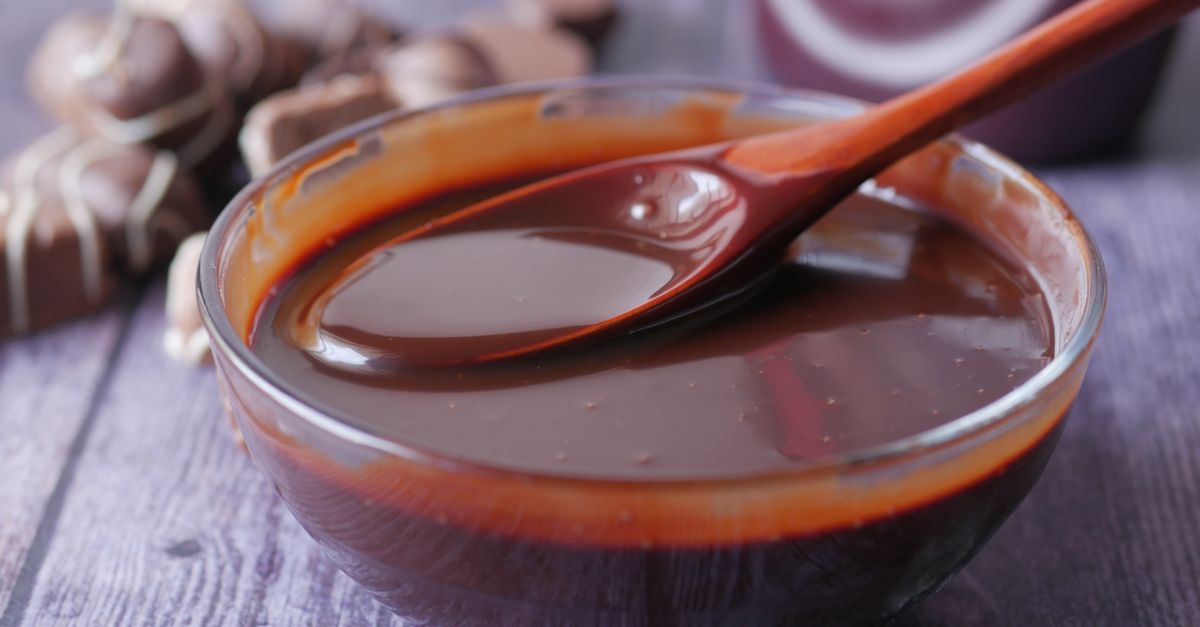
Why Your Homemade Sauces Are Too Thin and Lackluster (And The Pro Secrets for Rich, Velvety Perfection Every Time)
You’ve spent the time, carefully chopping your ingredients, simmering them on the stove, and anticipating that rich, luscious sauce for your pasta, roasted vegetables, or grilled meats. But then it happens: you spoon it out, and it’s watery, bland, and just… disappointing. It’s not coating the back of your spoon, clinging to your pasta, or delivering that punch of flavor you craved. Instead, it runs off everything, leaving a thin, forgettable film. If this sounds like your experience, you’re not alone. I’ve been there more times than I care to admit, pouring hours into a meal only for the sauce—the very heart of the dish—to fall flat. It’s frustrating when your culinary efforts don’t yield the creamy, flavorful results you see in cookbooks or at your favorite restaurant. The good news is, achieving that velvety perfection isn’t about expensive ingredients or complicated techniques. It’s about understanding a few key principles and applying some simple, yet incredibly effective, pro secrets that I’ve learned through years of kitchen experiments (and more than a few thin sauces).
Key Takeaways
- Focus on building a robust flavor base through proper sautéing and deglazing before adding liquids.
- Utilize natural thickening agents like reductions, purées, or vegetable starches for depth without artificiality.
- Incorporate intentional emulsification techniques to achieve a smooth, stable, and velvety texture.
- Always taste and adjust seasoning incrementally throughout the cooking process, not just at the end.
The Overlooked Power of Your Flavor Base: Don’t Rush the Sauté
The biggest mistake I see home cooks make, myself included in my early days, is rushing the initial sauté. They toss aromatics like onions, garlic, and carrots into a pan, give them a quick stir, and then immediately add liquids. This is the number one reason your sauce ends up tasting watery and lacking depth, even if it eventually thickens. The water content in your vegetables needs to evaporate, and the sugars need to caramelize to develop those complex, foundational flavors. This process, often called ‘sweating’ or ‘browning,’ is crucial.
In my experience, dedicating an extra 5-10 minutes here, allowing onions to soften until translucent and slightly golden, or garlic to become fragrant without burning, changes everything. When you add liquids too soon, you’re essentially steaming your ingredients, not browning them, which locks in raw, often sharp flavors and prevents the development of umami and sweetness. I once made a marinara sauce that tasted utterly flat, despite using ripe tomatoes. The culprit? I rushed sautéing the garlic and onion. The next time, I let them slowly caramelize until deep golden, and the difference was astounding—the sauce had a rich sweetness and depth I hadn’t achieved before. Always aim for a fond (the browned bits on the bottom of the pan) as well; this is pure flavor gold waiting to be released.
Unlock Depth with Strategic Reductions and Deglazing
Once your flavor base is established, the next critical step is reduction and deglazing. Many home cooks skip these steps entirely, thinking they’re just for fancy restaurant dishes, but they are absolutely foundational for building a rich, thick sauce. Deglazing is simply adding a cold liquid (wine, broth, even water) to a hot pan after sautéing or searing, scraping up all those delicious caramelized bits (the fond) from the bottom. These bits are packed with flavor compounds that would otherwise be left behind.
After deglazing, allow the liquid to reduce significantly. For instance, if I’m making a pan sauce, I’ll deglaze with half a cup of wine and let it simmer until it’s almost completely evaporated, reducing down to a syrupy glaze. This concentrates the flavors of the wine and the fond into an incredibly potent base. Only then do I add the main liquid (broth, cream, crushed tomatoes). This layered approach means you’re not just adding liquid; you’re adding flavorful liquid that has already been intensified. I used to just pour in my broth, and my sauces were always thin and weak. Now, I always reduce my deglazing liquid by at least two-thirds, and my sauces have a remarkable intensity. It’s a patience game that pays off in spades.
Harness Natural Thickeners: Beyond Flour and Cornstarch
While flour and cornstarch have their place, relying on them too heavily can often lead to a sauce that tastes starchy or has a gummy texture, rather than a natural, velvety richness. The pro secret is to utilize natural thickening agents that also contribute to the flavor and body of the sauce. Here are my go-to methods:
- Vegetable Purées: If your sauce is vegetable-based (like a tomato sauce or a creamy vegetable soup base), puréeing a portion of the cooked vegetables directly into the sauce adds body, richness, and intensified flavor without any added starch. For example, when making a robust tomato sauce, I’ll often blend about a quarter of the finished sauce until smooth, then stir it back in. This creates a beautifully thick, clingy texture. This technique transformed my vegetable purée soups from thin broths to creamy, satisfying meals.
- Legumes & Starches: For heartier sauces or stews, a spoonful of mashed beans or a small portion of starchy vegetables like potatoes or sweet potatoes can be puréed in. A more subtle approach is to simply allow naturally starchy vegetables to break down through longer simmering. This is particularly effective in chunky sauces where you want natural texture.
- Butter & Cream (Liaison): A classic French technique, a beurre manié (equal parts softened butter and flour kneaded together) can be whisked into a simmering sauce at the end for thickening and richness. However, for a truly velvety finish without a floury taste, I prefer to finish with a swirl of heavy cream or a pat of cold butter (known as monté au beurre). The fat helps emulsify the sauce, adding a luxurious sheen and body. It’s not just about flavor; it’s about mouthfeel. I once struggled with a thin mushroom sauce for steak. A final whisk of cold butter off the heat transformed it into a glossy, restaurant-worthy creation.
- Natural Reductions (Again!): Don’t forget that simply simmering your sauce for a longer period, uncovered, will naturally reduce its water content and thicken it. This is the purest form of thickening and concentrates all the flavors. Patience is key here. I aim for a slow, steady simmer, not a rolling boil, to prevent burning and ensure even reduction.
The Art of Emulsification: Marrying Fats and Liquids for Velvety Smoothness
Emulsification is often overlooked by home cooks, but it’s the secret behind many restaurant-quality sauces that boast a glossy, velvety texture rather than a greasy or watery one. An emulsion is essentially a stable mixture of two liquids that don’t typically mix, like oil and water, held together by tiny fat globules. In sauces, this usually means incorporating fat (like butter, olive oil, or cream) into your liquid base in a way that creates a unified, smooth texture.
One of the simplest yet most effective ways I achieve this is through monté au beurre, as mentioned briefly before. After a sauce has reduced and is off the direct heat, I’ll whisk in a few cold pats of butter, one at a time, until they’re fully incorporated. The cold butter slowly melts and its fat molecules bind with the liquid, creating a rich, stable emulsion that adds incredible body, gloss, and flavor. Similarly, when making creamy sauces, adding cream or even a small amount of crème fraîche slowly while whisking vigorously on low heat (or off heat) helps integrate it beautifully, preventing it from ‘breaking’ or separating into an oily mess. I remember my béchamel always breaking or being grainy until I understood the importance of whisking in milk slowly and consistently. This principle applies across many sauces: slow incorporation and constant agitation, especially when introducing fats or dairy, are crucial for that coveted velvety mouthfeel.
Incremental Seasoning and Acidity: The Final Touch of Brilliance
Many cooks season only at the beginning and the very end. While important, the real magic happens through incremental seasoning. Salt, in particular, should be added in small pinches throughout the cooking process, especially during reductions. As a sauce reduces, its saltiness concentrates, so adding too much too soon can make it inedibly salty. Tasting frequently and adjusting as you go is paramount. My rule of thumb: season lightly at each stage (flavor base, deglazing, liquid addition), then make final, bolder adjustments right before serving.
Beyond salt, acidity is the unsung hero that elevates a lackluster sauce to brilliance. A splash of lemon juice, a dash of vinegar (red wine, balsamic, or sherry), or even a tablespoon of finely chopped fresh tomatoes or a squeeze of tomato paste can brighten flavors, cut through richness, and provide balance. Think of it as the ‘sparkle’ that makes everything else pop. If a sauce tastes ‘flat’ or ‘heavy,’ nine times out of ten, it needs a touch of acidity. I once had a rich, creamy sauce that was just missing something. A tiny squeeze of lemon juice at the end, just a quarter teaspoon, transformed it from good to absolutely divine. It’s a trick I now use constantly. Don’t underestimate fresh herbs either; adding them at the very end preserves their vibrant flavor and color, providing a fresh contrast to the deeper, cooked-down flavors of the sauce.
Frequently Asked Questions
What are common mistakes that lead to thin sauces?
The most common mistakes include rushing the flavor base (not allowing aromatics to properly brown), not reducing liquids enough during deglazing or simmering, and neglecting natural thickeners or proper emulsification techniques. Adding too much liquid too quickly without allowing for concentration is also a frequent culprit.
How can I thicken a sauce that’s already too thin without making it gummy?
If your sauce is already thin, try simmering it uncovered to reduce it further. If you need a quicker fix, purée a small portion of the sauce and stir it back in, or whisk in a beurre manié (equal parts softened butter and flour kneaded together) gradually. Alternatively, add a swirl of cold butter or heavy cream off the heat and whisk vigorously to emulsify. Avoid adding large amounts of raw starch directly, which can lead to lumps and a gummy texture.
Can I use pureed vegetables to thicken any type of sauce?
Pureed vegetables work best for sauces where their flavor profile is complementary or already present, such as tomato sauces, vegetable-based gravies, or creamy soups. Using a small amount of pureed potato, carrot, or even roasted bell pepper can add body and depth without adding extra starch. It’s less ideal for delicate or clear sauces where you want transparency.
What role does fat play in sauce texture and flavor?
Fat plays a crucial dual role. Firstly, it carries flavor, helping to distribute aromatic compounds and enriching the taste. Secondly, it contributes significantly to the sauce’s mouthfeel and body through emulsification. When properly emulsified, fat creates a smooth, velvety, and luxurious texture that coats the palate and ingredients evenly, preventing a watery or greasy sensation.
How important is tasting throughout the cooking process for sauces?
Tasting incrementally is paramount. As a sauce reduces, its flavors (especially saltiness) concentrate. Seasoning in stages allows you to build flavor accurately and adjust as the sauce develops. It prevents over-salting and ensures that other flavors, such as acidity and sweetness, are perfectly balanced. Relying only on a final taste often means you’re adjusting too late, making it harder to correct.
Transforming your homemade sauces from thin and lackluster to rich and velvety is a journey of understanding and intentional technique. It’s about respecting the ingredients, building flavor in layers, and understanding how fats and liquids interact. By focusing on a strong flavor base, strategic reductions, natural thickening methods, proper emulsification, and meticulous seasoning, you’ll unlock a new level of culinary satisfaction. Don’t be afraid to experiment, taste often, and give your sauces the attention they deserve. The next time you spoon a sauce onto your plate, it won’t just be a condiment; it will be the star of your meal, clinging perfectly and bursting with flavor. Take these principles into your kitchen, and you’ll find that achieving restaurant-quality sauces is not only possible but deeply rewarding.
Written by Evelyn Reed
Mindfulness & Personal Well-being
A former editor for a prominent lifestyle magazine, Evelyn brings a keen eye for compelling narratives and practical advice to our team.
You Might Also Like

A Beginner's Guide to Adjusting Home Network DNS Settings
Unlock faster, more secure internet at home by learning to adjust your DNS settings. This guide simplifies the process for beginners.

Seven Years Without a Clothes Dryer: My Unexpected Revelations on Laundry and Lifestyle
After seven years without a clothes dryer, I share my unexpected lessons on energy savings, garment longevity, and simplifying laundry day.

Six Months Without a Microwave: My Unexpected Kitchen Shift
Discover my journey without a microwave and how it unexpectedly transformed my cooking habits, food quality, and kitchen efficiency.