Six Months Without a Microwave: My Unexpected Kitchen Shift
The microwave was a fixture in my kitchen for as long as I could remember. It was the ultimate convenience tool: a 30-second reheat for my coffee, a quick defrost for dinner, or a two-minute meal for busy nights. Like many, I rarely questioned its presence, assuming it was an indispensable part of modern living. But earlier this year, after a persistent flicker on its display turned into a full-blown blank screen, I found myself unexpectedly without one. My initial thought was, “I’ll replace it next week.” That week stretched into two, then a month, then six. What started as a temporary inconvenience evolved into a profound shift in how I approached cooking, eating, and even my kitchen’s flow. It was an involuntary experiment that revealed how much I relied on a machine I barely understood and how much better my culinary life could be without it.
Key Takeaways
- Eliminating the microwave forced me to prioritize fresh ingredients and mindful meal planning.
- I discovered healthier and tastier reheating methods that significantly improved the quality of my leftovers.
- My kitchen became more efficient and clutter-free, leading to a more enjoyable cooking experience.
- The absence of instant gratification fostered greater patience and appreciation for the cooking process.
The Unexpected Benefit of Deliberate Defrosting and Reheating
My first few days without a microwave were a scramble. I’d instinctively reach for the microwave button to warm a plate of leftovers or quickly thaw frozen chicken breasts, only to be met with a silent, unresponsive box. This initial frustration quickly gave way to a surprising realization: my food tasted better. Much better. The mistake I see most often is people treating all food the same in a microwave. A plate of pasta, a piece of salmon, or a bowl of soup all go in for a quick blast, resulting in uneven heating, rubbery textures, or dried-out edges. Microwaves heat food by causing water molecules to vibrate, which is fast but often aggressive and inconsistent, especially with solid foods.
What changed everything for me was embracing slower, more deliberate methods. For instance, reheating pizza or baked goods on a skillet with a lid on low heat brings them back to life with a crispy bottom and a soft, warm interior – far superior to a soggy microwave version. For soups and stews, a saucepan on the stove offers gentle, even heating, allowing flavors to meld further rather than creating hot spots and cold pockets. Frozen foods, which I once nuked into submission, now benefit from overnight thawing in the refrigerator. This not only preserves their texture and flavor but also prompts me to think a day ahead, subtly encouraging more intentional meal planning.
Even something as simple as warming coffee or tea became a moment to savor. Instead of a quick zap, I’d use a small saucepan, bringing it to the perfect temperature without that slightly metallic, overheated taste a microwave often imparts. This seemingly small shift extended my morning ritual, transforming a rushed task into a more mindful start to the day. The payoff in taste and texture alone has convinced me that the trade-off in time is well worth it. For me, the convenience of speed was masking a significant compromise in food quality.
Reclaiming Counter Space and Streamlining Kitchen Flow
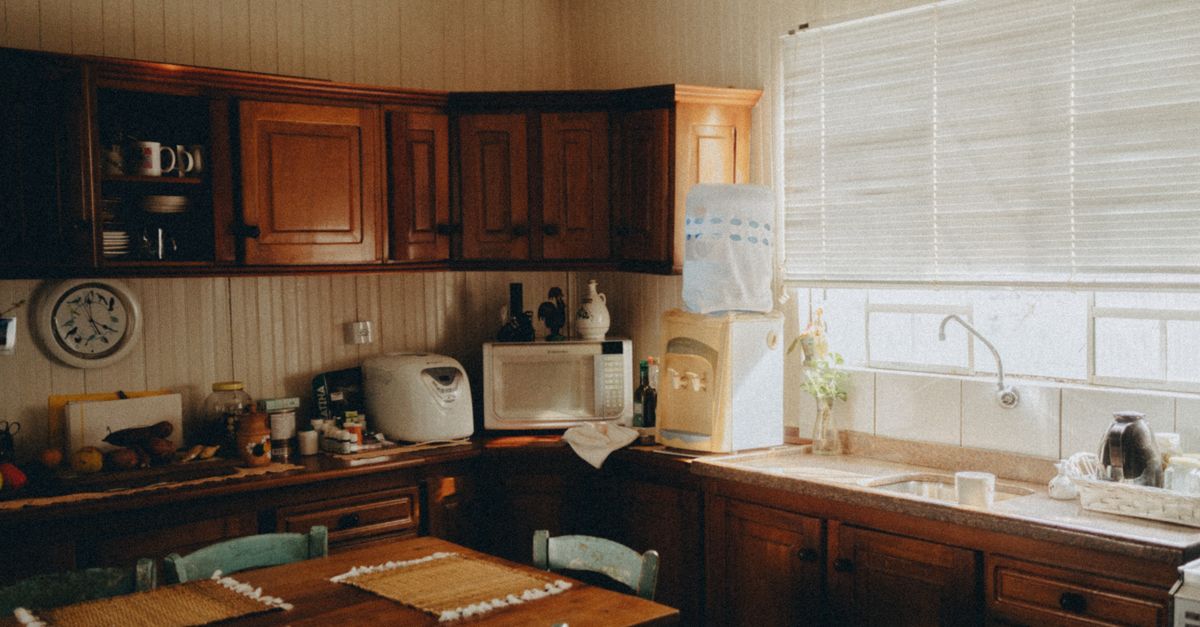
One of the most immediate and tangible benefits of ditching the microwave was the sudden liberation of prime kitchen real estate. My microwave, a fairly standard countertop model, occupied a significant 1.5 square feet next to my stove – a spot that always felt slightly cramped. Suddenly, that space was open. This wasn’t just about aesthetics; it profoundly impacted my kitchen’s functionality. I could now spread out ingredients while cooking, use that zone for plating, or even add a small cutting board without feeling like I was playing Tetris with my cookware.
In my experience, kitchens often suffer from an accumulation of single-purpose gadgets that rarely justify their footprint. The microwave was arguably the largest of these for me. With it gone, I found myself re-evaluating other items. Did I really need that bulky toaster oven when my main oven could do the job just as well, albeit slower? What about the electric kettle, which could easily be replaced by a stovetop version that looked far more elegant? This cascade of questioning led to a more minimalist approach to my kitchen, a concept I’d always admired but never fully embraced.
My current setup features only truly essential tools: a few good pots and pans, a reliable oven, a stovetop, and an air fryer (which, ironically, has become my go-to for rapid reheating and crisping, often taking the place of the microwave’s ‘speed’ function, but with far superior results). The clear counter space creates a sense of calm and makes cleaning infinitely easier. It also encourages me to keep things tidier, as visual clutter is now much more apparent. This newfound spaciousness has transformed my kitchen from a functional but often chaotic space into a more enjoyable and efficient hub for cooking and entertaining.
Cultivating Patience and Intentionality in Cooking
The microwave, by its very nature, fosters a culture of instant gratification. Food is ready in minutes, often seconds. While this speed can be a lifesaver in genuinely hectic moments, for me, it had insidiously eroded my patience and appreciation for the cooking process itself. I was less likely to plan, more prone to quick fixes, and often satisfied with merely ‘edible’ rather than truly enjoyable meals.
What changed everything for me was being forced to slow down. Preparing a meal, even a simple one, now involves a more sequential, thoughtful approach. If I want a warm breakfast, I start a few minutes earlier. If I’m defrosting something, I plan it the night before. This isn’t a burden; it’s an opportunity. It means I’m spending more time interacting with my food – chopping vegetables, stirring sauces, observing the transformation of ingredients. This hands-on engagement has reconnected me to the craft of cooking, reminding me that food preparation is a sensory experience, not just a means to an end.
This shift towards intentionality extends beyond the act of cooking. It influences my grocery shopping (more fresh produce, less processed frozen meals), my meal planning (thinking about leftovers and how to best reheat them), and even my cleanup routine (a cleaner kitchen naturally invites more attention to detail). I’ve come to view the extra few minutes spent reheating or cooking as an investment in flavor, health, and a more fulfilling daily ritual. The absence of the microwave has highlighted that true efficiency isn’t always about speed; sometimes, it’s about embracing the rhythm of a process and the richer rewards it offers.
The Shift to Healthier Food Choices and Reduced Waste
Before I removed the microwave, I noticed a pattern in my diet: a reliance on frozen, pre-packaged meals. These were the quintessential ‘microwaveable’ items – quick, convenient, and often full of sodium, preservatives, and questionable ingredients. I was unknowingly enabling a habit of reaching for highly processed options simply because the tool for their rapid consumption was readily available. My mistake was conflating convenience with necessity, assuming I needed a microwave to manage a busy life.
What changed everything for me was the absence of that instant option. Without the microwave, those frozen dinners suddenly lost their appeal. The thought of thawing them in a pot or oven, which often took longer and required more attention than preparing something fresh, became a deterrent. This forced me to pivot towards more whole, unprocessed foods. I started cooking from scratch more often, using fresh vegetables, lean proteins, and whole grains. This wasn’t a deliberate dietary change I set out to make; it was an organic consequence of removing a convenience crutch.
Moreover, my food waste has decreased. When I reheat leftovers on the stovetop or in the oven, I’m more attentive to portion sizes and the quality of the food. I’m less likely to simply toss something into the microwave, overheat it, and then discard half because it’s become rubbery or dry. This careful approach to reheating has made me more appreciative of my food and more conscious of minimizing waste. In essence, losing the microwave helped me rediscover the joys and benefits of real cooking and eating, proving that sometimes, less convenience leads to more well-being.
Frequently Asked Questions
Is it safe to reheat food without a microwave?
Absolutely. Before microwaves became common, people safely reheated food using stovetops, ovens, or even toaster ovens. For most dishes, these methods often result in better texture and flavor. Just ensure food reaches an internal temperature of 165°F (74°C) to kill bacteria, and avoid leaving food at room temperature for more than two hours.
What are the best alternatives for quick reheating without a microwave?
For liquids like soups and coffee, a saucepan on the stovetop is ideal. Solid foods like pizza, quiche, or baked goods can be perfectly revived in a skillet with a lid on low heat or in a regular oven/toaster oven. An air fryer is excellent for crisping up fried foods or heating small portions quickly and effectively.
How do you defrost food without a microwave?
The safest and best method is to thaw food slowly in the refrigerator overnight. For quicker thawing, you can use the cold water method, where sealed food is submerged in cold water, changed every 30 minutes. Avoid thawing at room temperature.
Will my electricity bill go down if I stop using a microwave?
While microwaves consume power, they typically run for short durations. Replacing it with an oven or stovetop might not result in significant savings, as those appliances generally draw more power, even if for longer, gentler heating. The primary benefits are usually in food quality and kitchen experience, not dramatic energy cost reduction.
What unexpected challenges did you face without a microwave?
The main challenge was overcoming the ingrained habit of reaching for the microwave for instant solutions. This required conscious effort and a shift in meal preparation routines, particularly for spontaneous reheating or defrosting. Planning ahead became more crucial. There’s also a learning curve for optimizing reheating times and temperatures on alternative appliances to avoid overcooking or uneven heating.
Conclusion
Giving up my microwave wasn’t a planned decision, but it’s one of the most transformative kitchen changes I’ve made. It forced me to shed a reliance on instant gratification and embrace a more intentional, patient approach to food. My cooking has improved, my kitchen is more organized, and my food choices are healthier. If you’ve ever considered decluttering your kitchen or rethinking your relationship with quick meals, I highly recommend an involuntary (or voluntary!) break from the microwave. You might be surprised by the culinary revelations that await.
Written by Evelyn Reed
Mindfulness & Personal Well-being
A former editor for a prominent lifestyle magazine, Evelyn brings a keen eye for compelling narratives and practical advice to our team.
You Might Also Like

A Beginner's Guide to Adjusting Home Network DNS Settings
Unlock faster, more secure internet at home by learning to adjust your DNS settings. This guide simplifies the process for beginners.

Seven Years Without a Clothes Dryer: My Unexpected Revelations on Laundry and Lifestyle
After seven years without a clothes dryer, I share my unexpected lessons on energy savings, garment longevity, and simplifying laundry day.

Secure Your Home Network After a Router Upgrade
Don't overlook critical security steps after installing a new router. This guide helps you secure your home network effectively.