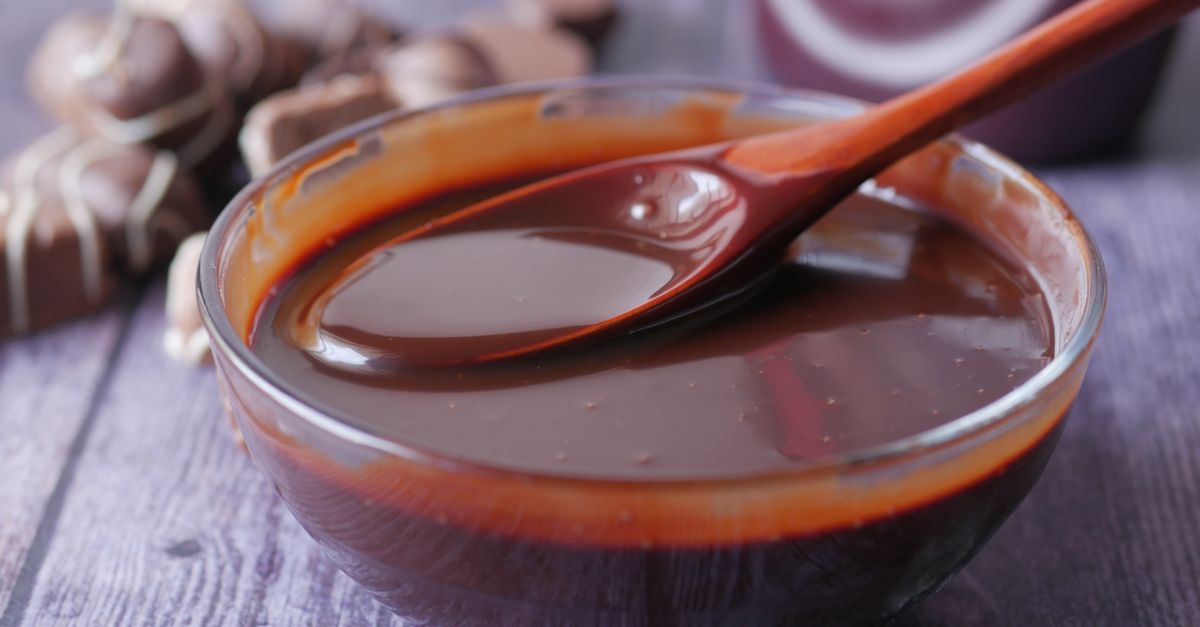
Why Your Homemade Sauces Are Too Thin and Lackluster (And The Pro Secrets for Rich, Velvety Perfection Every Time)
You’ve spent time carefully chopping, simmering, and stirring, yet your homemade sauce – whether it’s a marinara, a gravy, a hollandaise, or a pan sauce – consistently ends up thinner than you’d hoped, lacking that restaurant-quality richness and velvety texture. It’s a frustrating experience, transforming what should be the star of your meal into a watery disappointment that just coats ingredients rather than embracing them. In my years in the kitchen, I’ve seen this mistake made countless times, and I’ve certainly made it myself. It’s not just about adding more of the main ingredient; it’s about understanding the foundational elements of sauce-making that elevate a simple liquid to a luxurious, cohesive masterpiece.
The truth is, many home cooks approach sauce-making with a ‘more is more’ mentality – more tomatoes for marinara, more stock for gravy – believing volume alone creates depth. But the magic lies in technique, patience, and a few often-overlooked principles. What changed everything for me was shifting my focus from simply combining ingredients to intentionally building flavor and body at every stage. This isn’t about complicated molecular gastronomy; it’s about smart, practical adjustments that yield dramatic results. You don’t need fancy equipment or exotic ingredients. You need to rethink how you treat the basics.
Key Takeaways
- Achieve rich, velvety sauces by starting with properly concentrated aromatics and building a robust fond.
- Master the ‘reduction first’ principle to intensify flavors before adding thickeners or main liquids.
- Utilize varied thickening agents thoughtfully, considering their flavor impact and application technique.
- Incorporate ‘finishing fats’ and emulsification techniques at the end for luxurious mouthfeel and sheen.
- Embrace the ‘hold and taste’ method, allowing flavors to meld and adjust consistency before serving.
Overlooking the Power of the Fond and Concentrated Aromatics
The most common mistake I see home cooks make is rushing the initial stages, directly impacting the final depth and body of their sauce. Many skip over, or improperly execute, the crucial steps of browning aromatics and developing the ‘fond’ – those delicious caramelized bits stuck to the bottom of your pan. These aren’t just remnants; they are concentrated flavor bombs.
Think about a classic pan sauce for a steak. If you just deglaze the pan immediately after removing the meat without letting those browned bits deepen, you’ll get a watery, one-dimensional sauce. What works, instead, is patience. When searing meat or sautéing vegetables for a sauce base, allow a good crust to form. Don’t overcrowd the pan, as this steams ingredients instead of browning them. This browning – the Maillard reaction – creates hundreds of new flavor compounds. Once you remove the primary ingredient, those caramelized sugars and proteins clinging to the pan bottom form the fond. This is pure gold. For onions, shallots, or garlic, sweat them slowly over medium-low heat until they are translucent and significantly reduced in volume, then continue until they are deeply golden brown, almost jammy, before adding any liquid. This concentration of natural sugars and flavors is essential. For a marinara, I’ll often cook my diced onions for 10-15 minutes, sometimes even longer, until they’re almost dissolved into a fragrant paste, rather than just soft. This process sweetens them naturally and provides a foundational richness that simply adding more raw onion later can’t replicate. Deglaze this fond with wine, stock, or even water, scraping diligently with a wooden spoon, to dissolve all that flavor into your nascent sauce. This is the bedrock of a truly rich, complex sauce.
Neglecting the ‘Reduction First’ Principle
Another critical error is adding too much liquid too soon, then struggling to reduce it to the right consistency, often boiling away delicate flavors in the process. The ‘reduction first’ principle is a game-changer for intensifying flavor and achieving optimal texture without overcooking ingredients.
In my experience, many home cooks add all their liquid ingredients – stock, crushed tomatoes, wine – at once, then wonder why their sauce tastes bland and thin, even after simmering for hours. The issue is that you’re trying to concentrate a large volume of liquid, which takes time and heat, often at the expense of fresh, vibrant flavors. Instead, consider reducing key liquid components before combining them with more delicate ingredients or thickening agents. For instance, when making a red wine reduction for a steak sauce, I’ll reduce the wine by at least 75% on its own, sometimes even more, until it’s almost syrupy. This concentrates the wine’s complex notes without diluting the finished sauce. Similarly, for a chicken or beef gravy, instead of adding gallons of stock and simmering forever, I’ll often reduce a higher-quality, intensely flavored stock separately, aiming for a thick, almost gelatinous consistency, before incorporating it into the roux or pan drippings. This ensures maximum flavor impact with minimal liquid, giving your sauce a natural body and richness that feels earned, not forced. It’s a proactive approach to flavor concentration that avoids the common pitfall of endlessly boiling a thin, watery concoction.
Mismanaging Thickening Agents and Their Impact
The choice and application of thickening agents are frequently mishandled, leading to either gummy, pasty sauces or still-too-thin results. Not all thickeners are created equal, and their proper use is key to a velvety finish.
Most home cooks default to flour or cornstarch, often adding them directly to hot liquid, which inevitably leads to lumps. The common misconception is that a thickener just adds bulk. What actually works is understanding that different thickeners contribute unique textures and even flavors. A roux (flour cooked in fat) is ideal for gravies and béchamel-based sauces, providing a smooth, stable thickness and a nutty flavor that deepens with longer cooking. The key here is to cook the roux long enough to eliminate the raw flour taste – a minute or two for a white roux, longer for blonde or brown. Incorporate liquid gradually and whisk constantly to prevent lumps. Cornstarch and arrowroot powder create a glossy, almost translucent finish, perfect for fruit sauces or Asian-inspired dishes, but they can break down with prolonged heating. Always mix these with a small amount of cold liquid (a slurry) before whisking into a hot sauce. For a more natural, body-building approach, especially in tomato sauces or pureed vegetable soups, reducing the sauce until naturally thick (as discussed earlier) or pureeing some of the cooked vegetables within the sauce itself works wonders. For a creamy pasta sauce, a trick I rely on heavily is to finish cooking the pasta directly in the sauce with a little added pasta water. The starches released from the pasta naturally thicken the sauce, creating an incredibly cohesive, rich coating that clings beautifully to every strand. It’s a method that leverages the ingredients themselves, rather than relying solely on external thickeners, for a more integrated and flavorful result.
Undervaluing Finishing Fats and Emulsification
Your sauce might have good flavor and decent thickness, but it still lacks that luxurious, glossy sheen and silky mouthfeel found in restaurant dishes. This is often due to an oversight in the final stage: the strategic addition of finishing fats and proper emulsification.
Many home cooks see fat as a necessary evil or something to be minimized, but in the realm of sauces, a judicious amount of fat at the end can be transformative. What changed everything for me was learning to ‘mount’ a sauce with butter. After your sauce has simmered and achieved its desired consistency, remove it from the heat and swirl in a knob of cold, unsalted butter (or a splash of high-quality olive oil for some sauces). The key is that the butter should be cold, allowing it to melt slowly and emulsify into the sauce, rather than just greasing it. Whisk vigorously as it melts. This process adds incredible richness, a beautiful gloss, and a silky texture that coats the palate. For creamy sauces like hollandaise or béarnaise, emulsification is the entire point. Slowly stream fat (clarified butter, oil) into a base (egg yolks, stock) while constantly whisking, creating a stable suspension where fat droplets are evenly dispersed, resulting in a thick, smooth, and cohesive sauce. Even for a simple marinara, a drizzle of really good extra virgin olive oil stirred in right before serving can elevate its texture and add a vibrant finish. Don’t underestimate the power of these finishing touches; they are the chef’s secret to transforming a good sauce into an exceptional one.
Impatience and the Lack of a ‘Hold and Taste’ Strategy
The biggest enemy of a truly great sauce is impatience. Many home cooks are too quick to deem a sauce ‘done’ or to correct it too aggressively without allowing flavors to fully meld or for the consistency to properly set. This leads to under-seasoned, unbalanced, or still-thin sauces.
What actually works is embracing a ‘hold and taste’ strategy, allowing the sauce to develop, rest, and be critically evaluated. Flavors need time to integrate and deepen. A sauce often tastes different 5 minutes after it’s finished cooking, or even 30 minutes later, than it does straight off the heat. When you’ve added all your components and reached what you think is the right consistency, let it sit off the heat for 5-10 minutes, then re-evaluate. Is it still too thin? Is it too salty? Does it need a touch of acidity? This resting period allows the liquid to stop evaporating rapidly, giving you a more accurate read on the true consistency. During this time, the ingredients also continue to infuse, creating a more harmonious flavor profile. I also keep small amounts of stock, lemon juice, or even a diluted slurry on hand for last-minute adjustments. It’s far easier to thin a sauce or adjust seasoning incrementally than to fix an over-thickened, over-salted mess. A dash of acid (lemon juice, vinegar) can brighten a heavy sauce, and a pinch of sugar can balance too much acidity in tomato-based sauces. This iterative process of tasting, adjusting, and allowing to rest ensures you hit that perfect balance of flavor, richness, and velvety consistency every time. Mastery isn’t about getting it right the first time; it’s about knowing how to get it right by the last.
Frequently Asked Questions
Q: My sauce is too thin, but I’ve already added a lot of liquid. What’s the best way to thicken it without making it taste like flour?
A: If your sauce is already too thin and you don’t want to add more flour or cornstarch, your best bet is to reduce it further. Increase the heat slightly to encourage evaporation, and keep the pan uncovered. This will concentrate the existing flavors and naturally thicken the sauce. If you need a faster solution, create a small slurry of cornstarch (1 tablespoon cornstarch mixed with 2 tablespoons cold water) and slowly whisk it into your simmering sauce until it reaches your desired consistency. Another option for richer sauces is to swirl in a knob of cold butter at the end, as described in the ‘Finishing Fats’ section, which adds body and gloss without flour taste.
Q: How can I prevent my sauces from separating or becoming greasy?
A: Separation often happens when fats and liquids don’t properly emulsify, or when certain emulsifiers (like egg yolks in hollandaise) are overcooked. To prevent greasiness, ensure you’re using high-quality fats and incorporating them properly. When mounting with butter, make sure the butter is cold and whisk vigorously off the heat until fully incorporated. For egg-yolk-based sauces, maintain a low, consistent heat and whisk constantly. If a sauce does separate, try whisking in a small amount of warm water or stock, or a tiny bit of emulsifier like mustard (for vinaigrettes) or an extra egg yolk (for hollandaise) while whisking vigorously.
Q: My tomato sauce tastes too acidic. How can I balance the flavor?
A: The most common way to balance an overly acidic tomato sauce is to add a small pinch of sugar (start with a quarter teaspoon for a large pot, taste, and add more if needed). Another effective method is to add a bit of fat, such as a tablespoon of olive oil or butter, which coats the palate and reduces the perception of acidity. Slowly cooked, deeply caramelized aromatics (onions, carrots) in the initial stages also provide a natural sweetness that balances acidity without added sugar.
Q: Should I use fresh or dried herbs in my sauces?
A: Both have their place, but they behave differently. Dried herbs have a more concentrated flavor and should be added early in the cooking process to allow their flavors to infuse. A good rule of thumb is to use about one-third the amount of dried herbs compared to fresh. Fresh herbs, on the other hand, have a more vibrant, delicate flavor and are best added towards the end of cooking or as a garnish, especially for light, fresh sauces like pesto or chimichurri. For longer-simmering sauces, a combination can be effective – dried herbs for foundational flavor and fresh herbs for brightness at the end.
Q: My pan sauce seems to lose its thickness when it cools. Is that normal?
A: Yes, this is quite normal, especially for sauces thickened primarily with gelatin from stock reduction or a light roux. As the sauce cools, the gelatin (or starch) can firm up, making the sauce appear thicker. Upon reheating, it will usually thin out again. If a sauce is meant to be served hot, assess its consistency when hot. If you consistently find your sauces too thin upon reheating, you might need to slightly over-thicken them initially, or plan to reduce them slightly more when reheating, or have a bit of extra slurry on hand for a quick adjustment.
Ultimately, mastering sauces is about understanding the science behind the art. It’s about respecting each ingredient, giving it the time and attention it deserves, and trusting your palate through every step. Embrace these techniques, and you’ll transform your sauces from simply edible to truly unforgettable.
Written by Evelyn Reed
Mindfulness & Personal Well-being
A former editor for a prominent lifestyle magazine, Evelyn brings a keen eye for compelling narratives and practical advice to our team.
You Might Also Like

A Beginner's Guide to Adjusting Home Network DNS Settings
Unlock faster, more secure internet at home by learning to adjust your DNS settings. This guide simplifies the process for beginners.

Seven Years Without a Clothes Dryer: My Unexpected Revelations on Laundry and Lifestyle
After seven years without a clothes dryer, I share my unexpected lessons on energy savings, garment longevity, and simplifying laundry day.

Six Months Without a Microwave: My Unexpected Kitchen Shift
Discover my journey without a microwave and how it unexpectedly transformed my cooking habits, food quality, and kitchen efficiency.