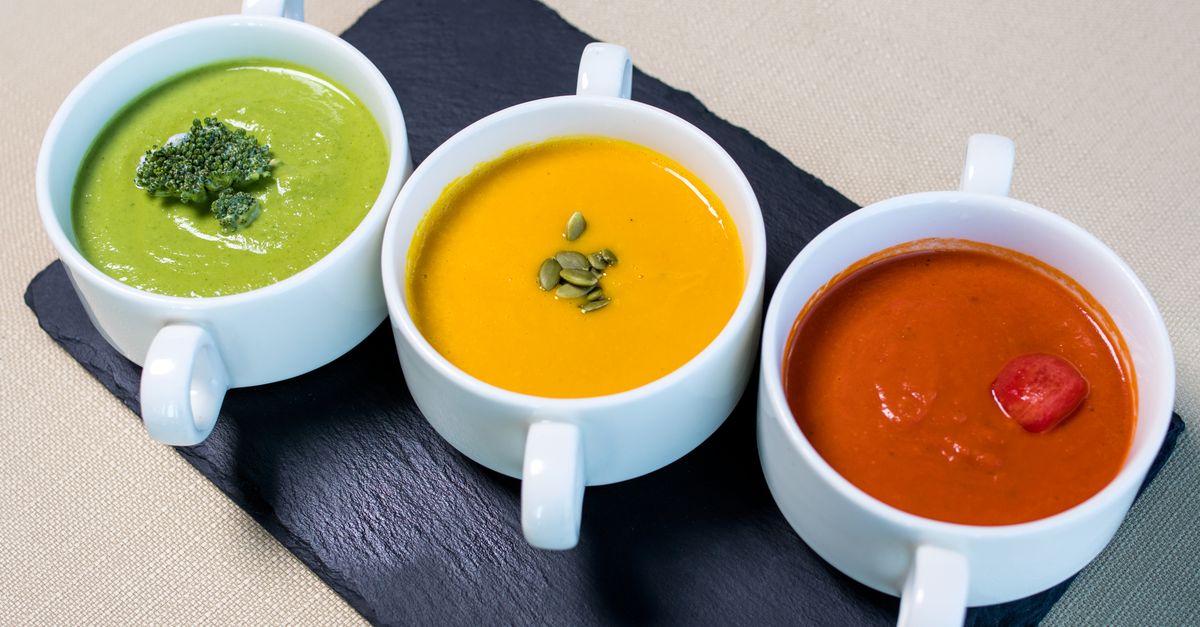
Why Your Homemade Soup is Bland (And The Flavor Secrets That Changed Everything For Me)
There’s nothing quite as comforting as a warm bowl of homemade soup on a chilly evening. Or so the saying goes. In my own kitchen, for years, this idyllic vision was consistently shattered by a pervasive, soul-crushing blandness. I’d follow recipes diligently – chop vegetables, simmer broth, add herbs – only to be met with a watery, one-note disappointment that tasted miles away from the rich, complex bowls I savored at restaurants or even from a good quality canned version. It was frustrating, and honestly, a bit embarrassing. I’d spend an hour or two on what should be a hearty meal, only for my family to politely pick at it.
I tried everything: more salt, different spices, longer simmering times. Nothing truly worked. My soups remained stubbornly, bafflingly bland. I was convinced I just wasn’t a ‘soup person’ or perhaps lacked some inherent culinary gene. The mistake I see most often, and one I made for far too long, wasn’t about the ingredients themselves, but how and when I was using them. What changed everything for me wasn’t a secret ingredient, but a fundamental shift in understanding flavor development – a secret that most home cooks miss, and that professional kitchens rely on.
Key Takeaways
- Brown your aromatics and proteins deeply to build a foundational layer of rich flavor, rather than just softening them.
- Layer your salt and acidity strategically throughout the cooking process, tasting and adjusting as flavors develop.
- Incorporate umami-rich ingredients early to deepen the savory backbone of your soup without relying on excessive salt.
- Finish your soup with fresh herbs, a touch of healthy fat, or a bright acid to add complexity and awaken dormant flavors.
The Fundamental Flaw: Not Building a Flavor Foundation
The biggest revelation for me was understanding that flavor in soup isn’t something you ‘add in’ at the end; it’s something you build from the very beginning. For years, my recipes would say things like “sauté onions until softened” or “brown chicken.” I’d do it, but I’d do it quickly, aiming for transparency in the onions or just a light sear on the chicken. This was a critical error.
What I learned: The Maillard reaction is your best friend. This chemical reaction, which happens when food browns, creates hundreds of new flavor compounds. When you’re making soup, this means truly, deeply browning your aromatics (onions, carrots, celery) until they’re caramelized and sweet, and your proteins (chicken, beef, even mushrooms) until they have a rich, dark crust. This isn’t about burning them, but about allowing enough time for those sugars to caramelize and those savory notes to develop.
For example, when making a chicken noodle soup, I used to just throw chicken breast into simmering broth. Now, I’ll take 15-20 minutes to sear bone-in, skin-on chicken thighs until the skin is deeply golden and crispy, then remove them and sauté my vegetables in the rendered fat, scraping up any delicious brown bits (fond) from the bottom of the pot. This is the foundation. This simple step alone transformed my soups from tasting like boiled water with stuff in it to having a robust, savory base. Don’t rush this stage; it’s the most important flavor investment you’ll make.
The Overlooked Power of Layered Seasoning
Another common pitfall I fell into was thinking of seasoning as a single, end-of-process step. I’d add a pinch of salt and pepper at the very end, give it a stir, and wonder why it still tasted… flat. The truth is, different ingredients need seasoning at different stages to bring out their best.
What I learned: Layer your salt. Vegetables need salt as they cook to draw out their moisture and concentrate their flavors. Proteins benefit from salt before and during browning to enhance their savory notes. Broth needs salt to prevent it from tasting like, well, just water. I now add a generous pinch of salt at almost every stage: when sautéing aromatics, when adding vegetables, when pouring in the broth, and finally, a taste-and-adjust seasoning at the very end. The key is tasting constantly. You’re not aiming for one big salty hit; you’re building a balanced flavor profile, one layer at a time. It also means incorporating other elements like acidity (lemon juice, vinegar), heat (chili flakes), or a touch of sweetness (a pinch of sugar, a swirl of honey) throughout the process, not just as an afterthought.
For example, in a lentil soup, I’ll salt the mirepoix as it softens, add a bay leaf and some dried thyme with the lentils and broth, and then, at the very end, I’ll stir in a tablespoon of red wine vinegar and a squeeze of lemon juice. That final acidic touch isn’t just for sourness; it’s a bright counterpoint that makes all the other flavors pop. It’s like turning on the lights in a dim room – suddenly, everything is more vibrant and defined.
The Umami Unlock: Beyond Just Salt and Pepper
My early soup-making was a strict adherence to salt and pepper. While essential, they’re only two notes in a much larger orchestra. The missing piece for me was often umami – that deep, savory, mouth-filling flavor that makes food truly satisfying. Without it, even perfectly seasoned soup can feel like it’s missing something.
What I learned: Umami-rich ingredients are game-changers. I started incorporating things like a tablespoon of tomato paste (browned for a minute with the aromatics!), a splash of soy sauce or tamari, dried mushrooms (rehydrated and chopped, with their soaking liquid added to the broth), or even a crumbled Parmesan rind into the simmering broth. These ingredients don’t necessarily make the soup taste like tomato or soy sauce; they simply deepen and enrich the overall savory profile, making it feel more complex and satisfying.
For a mushroom barley soup, instead of just fresh mushrooms, I’ll add a handful of dried porcini mushrooms to the broth as it simmers. The depth they bring is incomparable. In a beef stew, browning the beef first, then adding a spoonful of tomato paste and browning it with the vegetables, followed by a splash of Worcestershire sauce or even a tiny amount of anchovy paste (it dissolves completely and just adds savory depth, not fishiness!) before adding liquid, transformed it. These are simple additions that make a profound difference, building that elusive ‘something special’ that was always missing from my bowls.
The Power of the Finish: Freshness and Fat
Even after building a strong foundation, layering seasoning, and adding umami, my soups sometimes still felt a little… heavy, or lacked that vibrant spark. This is where the finishing touches come in – often overlooked, but incredibly impactful.
What I learned: The final flourish is crucial. Fresh herbs, a drizzle of high-quality olive oil, a dollop of crème fraîche or Greek yogurt, a sprinkle of toasted nuts or seeds, or that final squeeze of citrus can elevate a good soup to a great one. These additions bring contrasting textures, temperatures, and fresh bursts of flavor that awaken the palate.
For a creamy butternut squash soup, I used to just serve it as-is. Now, I’ll swirl in a touch of coconut milk or heavy cream off the heat for richness, then finish with a sprinkle of toasted pumpkin seeds for crunch, a few fresh sage leaves, and a tiny drizzle of good quality olive oil. For a minestrone, a generous sprinkle of fresh parsley and a grating of Parmesan cheese are non-negotiable. These elements aren’t just garnish; they are active flavor components that provide bright, fresh notes and healthy fats that carry flavor and add satiety. They complete the dish, transforming it from a mere liquid meal into a culinary experience.
The Time Factor: Patience is a Virtue
Lastly, and perhaps most simply, I learned the virtue of patience. In my early days, I was always rushing. Rushing the sauté, rushing the simmer, rushing to get dinner on the table. But soup, more than almost any other dish, rewards those who wait.
What I learned: Give it time. A truly flavorful soup needs time for the ingredients to meld, for the flavors to deepen and concentrate. While a recipe might say “simmer for 30 minutes,” I often find that an extra hour or even two, simmering gently, makes a world of difference. This isn’t about boiling; it’s about a low, slow cook where flavors gently infuse the broth.
This is especially true for broths. Making your own from scratch, simmering bones and vegetables for several hours, creates a depth that simply cannot be replicated by store-bought options (though good quality boxed broth is a perfectly acceptable shortcut if you follow the other steps!). Even if you’re using canned broth, giving the entire soup more time to simmer after all ingredients are added allows the flavors to truly become one, rather than tasting like individual components. In my experience, a soup that sits for a while, even cooling down and being reheated the next day, often tastes even better because those flavors have had more time to integrate. It’s a prime example of how investing a little more time can yield exponentially greater rewards in flavor.
Frequently Asked Questions
Why does my homemade chicken soup taste like boiled water?
It likely tastes like boiled water because you haven’t built a strong flavor foundation. Ensure you deeply brown your chicken (preferably bone-in, skin-on thighs or a whole chicken carcass) before adding water, and thoroughly caramelize your aromatics like onions, carrots, and celery until they are sweet and deeply colored. This creates the foundational savory and sweet notes.
How can I make my vegetable soup more flavorful without adding meat?
Focus on umami-rich vegetarian ingredients and deep browning. Sauté your vegetables longer until they are truly caramelized. Add a tablespoon of tomato paste, dried mushrooms, a splash of soy sauce or tamari, or even a teaspoon of nutritional yeast (for a cheesy, savory note). Using a high-quality vegetable broth, or making your own with roasted vegetables, also makes a big difference. Finishing with fresh herbs and a squeeze of lemon brightens everything.
Is there a difference between adding salt early versus late in soup?
Yes, a huge difference. Adding salt early helps draw out moisture from vegetables, concentrating their flavor, and seasons proteins as they brown. This builds a foundational flavor. Adding salt only at the end might make the soup taste salty, but not deeply flavorful, as the earlier layers weren’t properly seasoned. It’s about layered seasoning, tasting and adjusting at each stage.
What are some easy umami boosters for soup?
Excellent umami boosters include tomato paste (always brown it slightly before adding liquid), soy sauce or tamari, Worcestershire sauce, dried mushrooms (especially porcini), miso paste, a Parmesan rind (simmered in the broth and removed before serving), and even a tiny amount of anchovy paste (it dissolves and just adds savoriness, not fishiness).
My soup tastes good, but it’s missing a ‘spark.’ What should I add?
If your soup tastes good but lacks that certain ‘oomph,’ it’s often missing a bright finishing element. Try adding a squeeze of fresh lemon juice or a splash of white wine vinegar just before serving. Fresh herbs (parsley, cilantro, dill, chives) stirred in at the last minute or sprinkled on top can also provide a fresh, vibrant contrast. A drizzle of high-quality olive oil or a dollop of plain Greek yogurt or sour cream can add richness and a pleasant tang.
My journey from bland bowls to genuinely delicious, comforting soups wasn’t about some secret ingredient that only chefs know. It was about adopting a few fundamental techniques that prioritize flavor development from the ground up: deep browning, layered seasoning, smart umami additions, and thoughtful finishing touches. Embrace these shifts in your own kitchen, and I promise, your homemade soup will transform from a polite obligation into the true star of your dinner table. Start with deeply browning your aromatics for your next batch – you’ll be amazed at the difference it makes.
Written by Evelyn Reed
Mindfulness & Personal Well-being
A former editor for a prominent lifestyle magazine, Evelyn brings a keen eye for compelling narratives and practical advice to our team.
You Might Also Like

Do I Need a Home Security System If I Have a Dog?
Discover if a home security system is still essential with a dog, exploring overlooked vulnerabilities and layered protection strategies.

A Beginner's Guide to Adjusting Home Network DNS Settings
Unlock faster, more secure internet at home by learning to adjust your DNS settings. This guide simplifies the process for beginners.

Seven Years Without a Clothes Dryer: My Unexpected Revelations on Laundry and Lifestyle
After seven years without a clothes dryer, I share my unexpected lessons on energy savings, garment longevity, and simplifying laundry day.