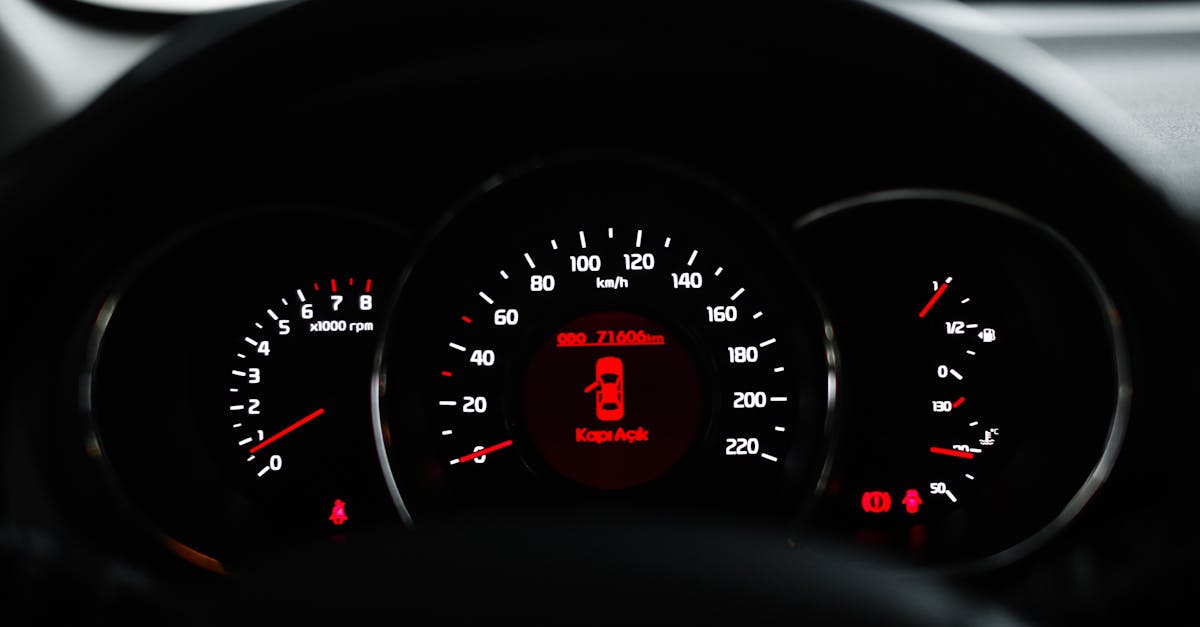
The check engine light comes on during your commute. The car drives normally, but the amber engine symbol stays lit. A $25 code reader from an auto parts store shows “P0420 — Catalyst System Efficiency Below Threshold (Bank 1).” The internet suggests a new catalytic converter costing well over a thousand dollars.
Before you spend that money, it helps to understand what a code really means. An OBD-II code tells you which test the car’s computer failed, not necessarily which part has failed.
Key Takeaways
- All cars and light trucks sold in the US since the 1996 model year have an OBD-II diagnostic port, usually under the dashboard near the steering column.
- A pending code means a fault was detected once; a confirmed (stored) code means it was detected repeatedly and the check engine light is on.
- A steady check engine light means get it checked soon; a flashing light usually signals a severe misfire that can damage the catalytic converter — reduce load and get help promptly.
- Codes point to a system or test, not always a specific part; diagnosis means confirming the cause before replacing anything.
How OBD-II works
On-board diagnostics, second generation (OBD-II), is a standard system that monitors engine and emissions performance. The engine control module (ECM) runs continuous and periodic tests, called monitors, on components such as oxygen sensors, the catalytic converter, the evaporative emissions system and ignition.
When a test fails, the ECM stores a diagnostic trouble code (DTC). Codes have a standard format:
- First letter: P (powertrain), B (body), C (chassis) or U (network)
- First digit: 0 for generic codes common to all manufacturers, 1 for manufacturer-specific codes
- Remaining digits: identify the specific system and fault
Pending vs confirmed codes
Many faults need to occur on more than one drive cycle before the check engine light comes on.
- Pending code: the fault was detected once. The light may not be on yet. If the fault does not recur, the code may clear itself.
- Confirmed or stored code: the fault was detected repeatedly. The check engine light is on.
- Permanent code: cannot be cleared with a scan tool; it clears only after the system passes its test.
Better code readers show pending codes, freeze frame data and readiness monitor status.
Freeze frame data
When a code is stored, the ECM records a snapshot of conditions at that moment: engine speed, vehicle speed, coolant temperature, fuel trims and more. This helps a technician understand when the fault happened — at cold start, at highway speed, under load.
Steady vs flashing light
- Steady light: a fault has been detected. Get the car checked soon, but it is often safe to drive in the short term if the car behaves normally.
- Flashing light: usually indicates a severe misfire. Unburned fuel can enter the exhaust and overheat the catalytic converter. Reduce speed and load, avoid hard acceleration and get the car checked as soon as possible.
If the light is accompanied by overheating, loss of oil pressure, or other warning lights, stop safely and seek help.
P0420: catalyst efficiency below threshold
The catalytic converter reduces harmful emissions. The ECM checks its performance by comparing signals from the oxygen sensor before the converter with the sensor after it. An efficient converter smooths the downstream signal.
P0420 means the comparison shows lower efficiency than expected on Bank 1 (the side of the engine with cylinder 1). P0430 is the equivalent for Bank 2.
Possible causes include:
- A worn or damaged catalytic converter
- A faulty downstream oxygen sensor
- An exhaust leak near the sensors
- Engine problems such as misfires or running rich, which can damage the converter
Because several causes produce the same code, a technician should check for exhaust leaks, sensor operation and engine performance before replacing the converter. If the converter has failed, fixing the underlying engine issue first prevents damage to the new one.
P0300: random or multiple misfire
P0300 means the ECM detected misfires that are not limited to one cylinder. Codes P0301 to P0308 identify misfires in specific cylinders.
Possible causes include:
- Worn spark plugs or faulty ignition coils
- Vacuum leaks
- Low fuel pressure or dirty injectors
- Faulty sensors affecting fuel mixture
- Mechanical problems such as low compression
A single-cylinder misfire often points to a component on that cylinder. A random misfire suggests something affecting all cylinders, such as fuel delivery or a vacuum leak.
Using a code reader responsibly
- Record the code and freeze frame data before clearing anything.
- Do not clear codes just to turn off the light. It can erase useful information, and the light will return if the fault persists.
- Check for technical service bulletins for your vehicle and code.
- Start with simple checks: loose gas cap (for evaporative system codes), obvious vacuum leaks, damaged wires.
- Avoid “parts cannon” repairs. Replacing parts based only on a code can waste money.
Frequently Asked Questions
Can a loose gas cap trigger the check engine light? Yes. It can cause evaporative emissions system codes. Tighten it and drive for several days to see if the code clears.
Will my car pass inspection with a check engine light on? In many areas with emissions testing, a lit check engine light or incomplete readiness monitors cause a failure.
Do auto parts stores read codes for free? Many offer free code reading. A code reading is not the same as a full diagnosis.
Are cheap code readers useful? Basic readers show codes and clear them. Better tools show live data, freeze frames and readiness monitors.
The bottom line
An OBD-II code tells you where to look, not exactly what to replace. Record the code and conditions, start with simple checks, and diagnose before buying parts — especially for expensive repairs such as catalytic converters.